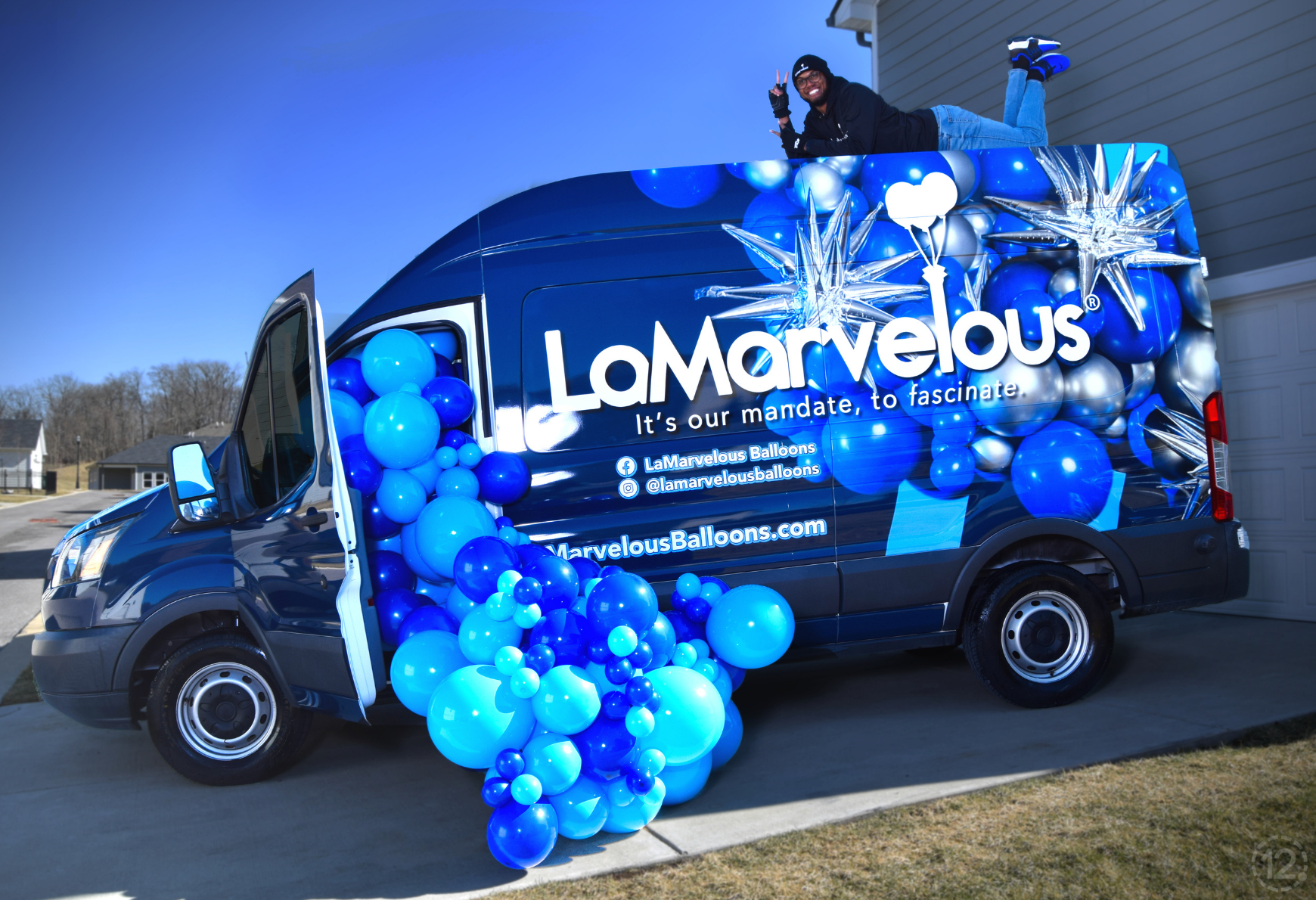
Vehicle wraps can turn work trucks into mobile billboards. But when your company leases, finances, shares, or manages vehicles across locations, the project has to start with planning before even considering a design.
For Nashville businesses with leased vehicles in their fleet, projects should account for contracts, paint condition, installation timing, and eventual removal. That groundwork protects the vehicle and keeps your brand on track.
The following FAQs cover what business owners and fleet managers should know before taking their advertising on the road. 
FAQ: Can You Wrap a Leased Vehicle?
Usually, yes, but you should review the lease agreement before approving any work. A lease differs from ownership, so your business is responsible for the vehicle’s condition upon return and will be liable for any excess wear or damage. To prevent any surprises once your lease term is up, carefully review your agreement for things like:
- Vehicle modifications or alterations
- Required return condition
- Graphics, decals, or temporary accessories
- Inspection requirements
- Lease-end fees and timelines
To cover yourself even further, if the contract is unclear, get clarification from the leasing company in writing. A removable vinyl wrap may fit your agreement, but the lease terms decide what is allowed. Before wrapping, take photos of all sides of the vehicle, including the bumpers, doors, panels, roofline, and any existing damage. Keep those photos in the vehicle’s file.
FAQ: Can You Wrap a Financed Vehicle?
Financing and leasing are not the same. With financing, your company is working toward ownership. Still, review your loan agreement, fleet policy, and insurance requirements before moving forward.
For financed vehicles, keep installation records, design approvals, material details, and photos in the fleet file. That documentation helps when vehicles are reassigned, sold, repaired, or moved between locations.
FAQ: Will a Vehicle Wrap Affect Lease Return?
A wrap doesn’t automatically create friction for your lease return, but paint condition, rushed removal, or missing documentation can. Stay on top of washing your vehicle wrap, but stay away from automatic car washes. They’re notorious for scuffing up vinyl graphics.
Don’t treat removal as a last-week task. Schedule a professional removal before the return inspection for plenty of time to inspect the paint, remove adhesive residue, address any pre-existing damage, and complete normal return preparation.
The goal is simple: return the vehicle in the condition required by the agreement, without surprises.
FAQ: How Do You Limit Fleet Downtime?
Downtime is a logistics issue, so having and sticking with a plan keeps branding consistent without pulling every vehicle off the road at once. Start with a master design template that can be adapted for each vehicle type while protecting core brand elements like the logo, colors, phone number, and website.
A Nashville sign company can help stage installation around real operating needs:
- Wrap vehicles during lower-use periods
- Group similar vans, trucks, trailers, or SUVs together
- Schedule by service territory or branch location
- Prioritize high-visibility vehicles first
- Build removal dates into the fleet calendar
- Account for door seams, windows, safety markings, and cargo access
A cargo van, pickup, box truck, trailer, and all-terrain vehicle don’t offer the same usable graphic space. The design should adapt without looking like a different brand.
If you’re planning a leased or multi-vehicle wrap project, our team can handle everything from design and printing to installation and repair for your fleet graphics. Reach out today so we can get started on a practical rollout plan!